

Mistakes to Avoid When Renovating Your Home
Renovating your home is an exciting but complex project. Whether it involves a small improvement or a complete renovation, every decision made during the process can affect the final result, the budget and the comfort of your home for years to come.
Very often, mistakes are not caused by the quality of the materials or the contractor carrying out the work, but by insufficient planning or decisions made too quickly. Changing your mind once work has already begun, overlooking important details or focusing solely on price are much more common situations than you might think.
Understanding the most common mistakes can help you approach a renovation with greater confidence, avoid unexpected problems and invest in solutions that truly meet your needs. Let’s take a closer look at the key aspects that deserve particular attention.
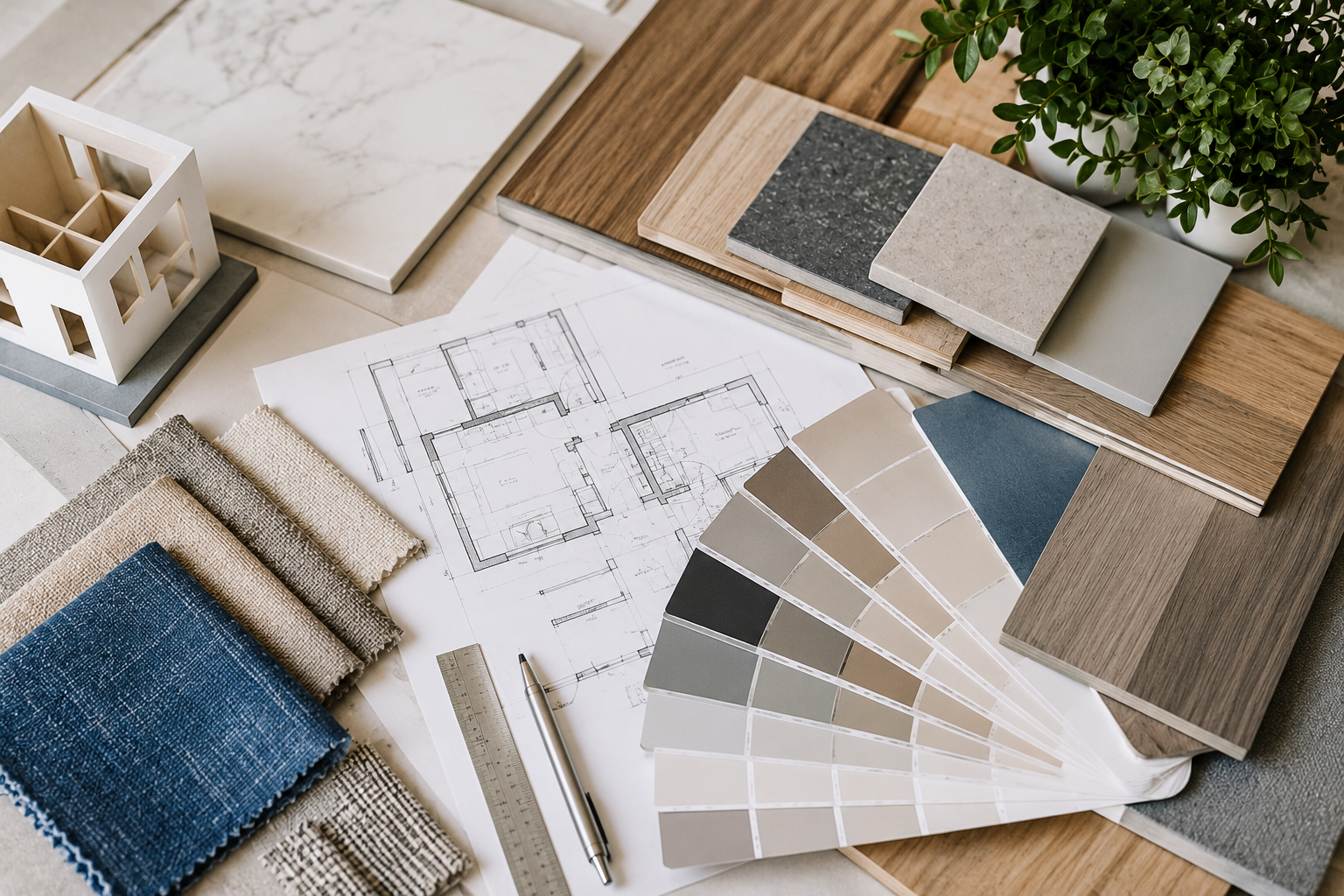
Starting work without a well-defined plan
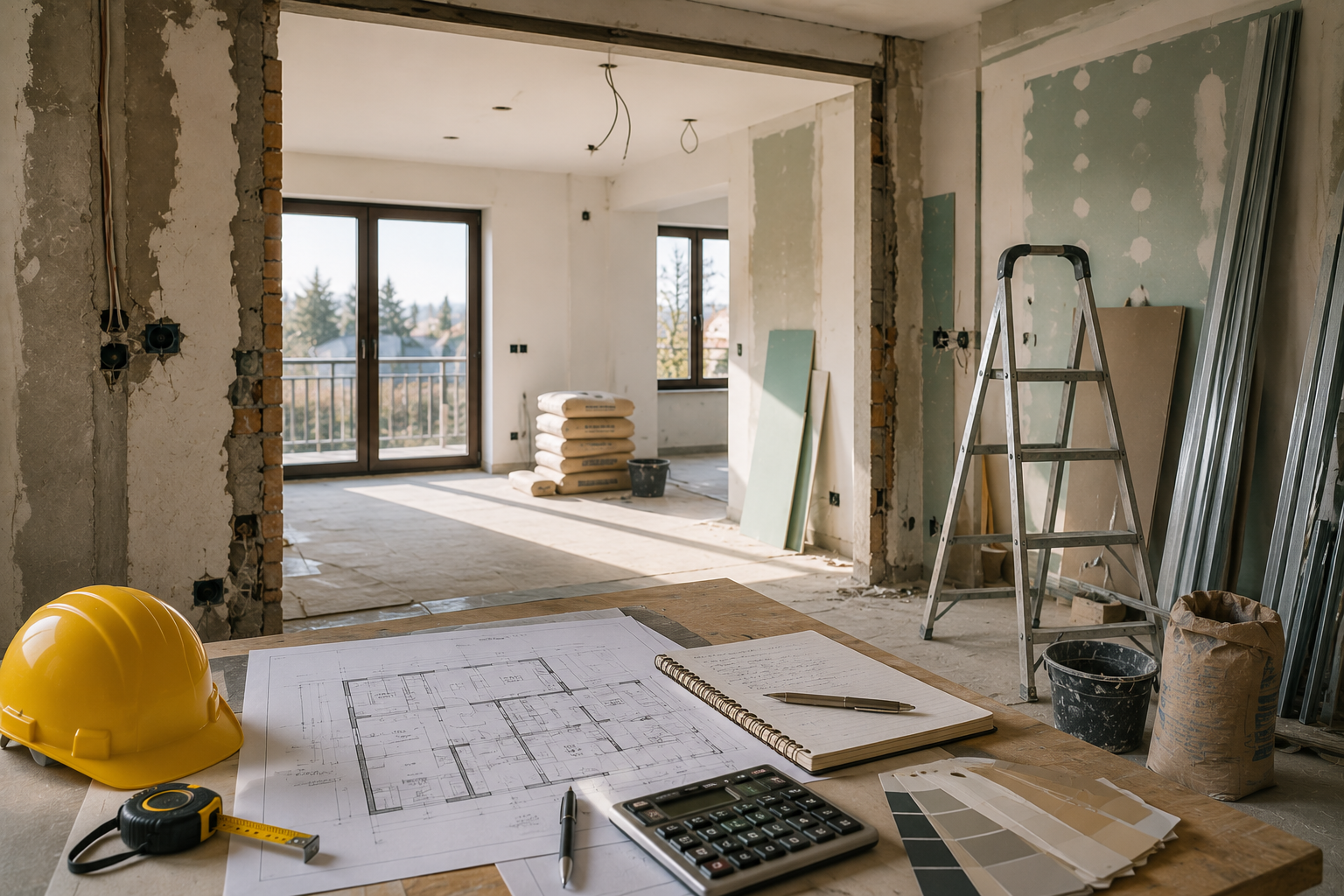
One of the most common mistakes is starting a renovation without having a complete plan in place.
Flooring, doors, bathroom furnishings and windows are often chosen at different stages, with ideas and materials being changed along the way. This approach can cause delays, increase costs and compromise the overall harmony of the interiors.
Before starting work, it is important to clearly define:
- the style of the home;
- the available budget;
- the layout of the spaces;
- the main materials;
- the priorities of the renovation.
Careful planning makes it easier to manage each stage of the project and reduces the risk of changes once work is already underway.
Choosing materials based on price alone
When renovating a home, it is natural to try to keep costs under control. However, choosing a material based solely on its initial price may prove to be a poor investment in the long term.
Flooring, windows, doors and coverings are designed to last for many years. Investing in quality products can reduce maintenance requirements, improve comfort and help preserve the value of the property.
The real criterion should be value for money, taking performance, durability and long-term reliability into account.
Overlooking energy efficiency
Many renovation projects focus primarily on aesthetics, while improvements to the home's energy performance are often overlooked.
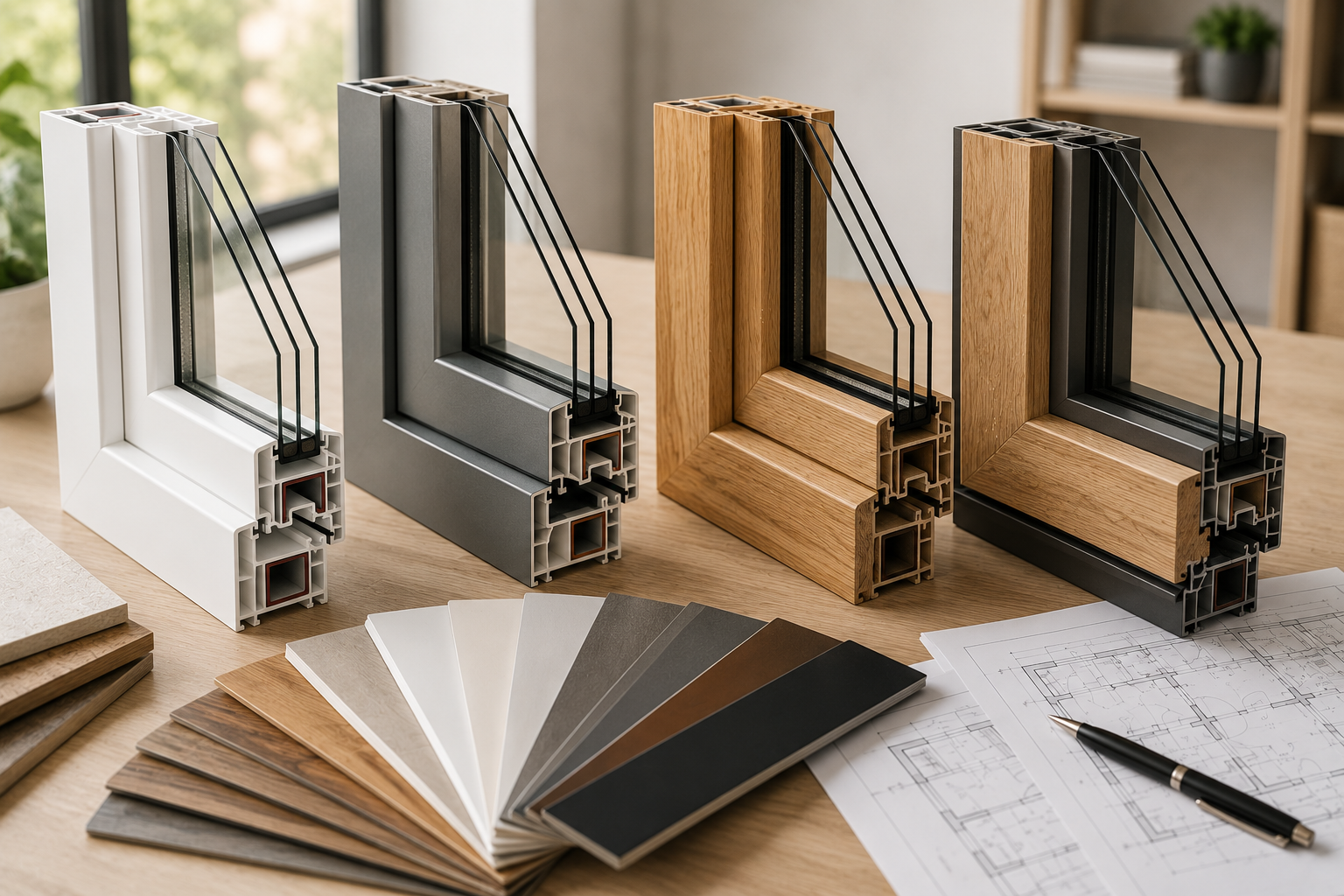
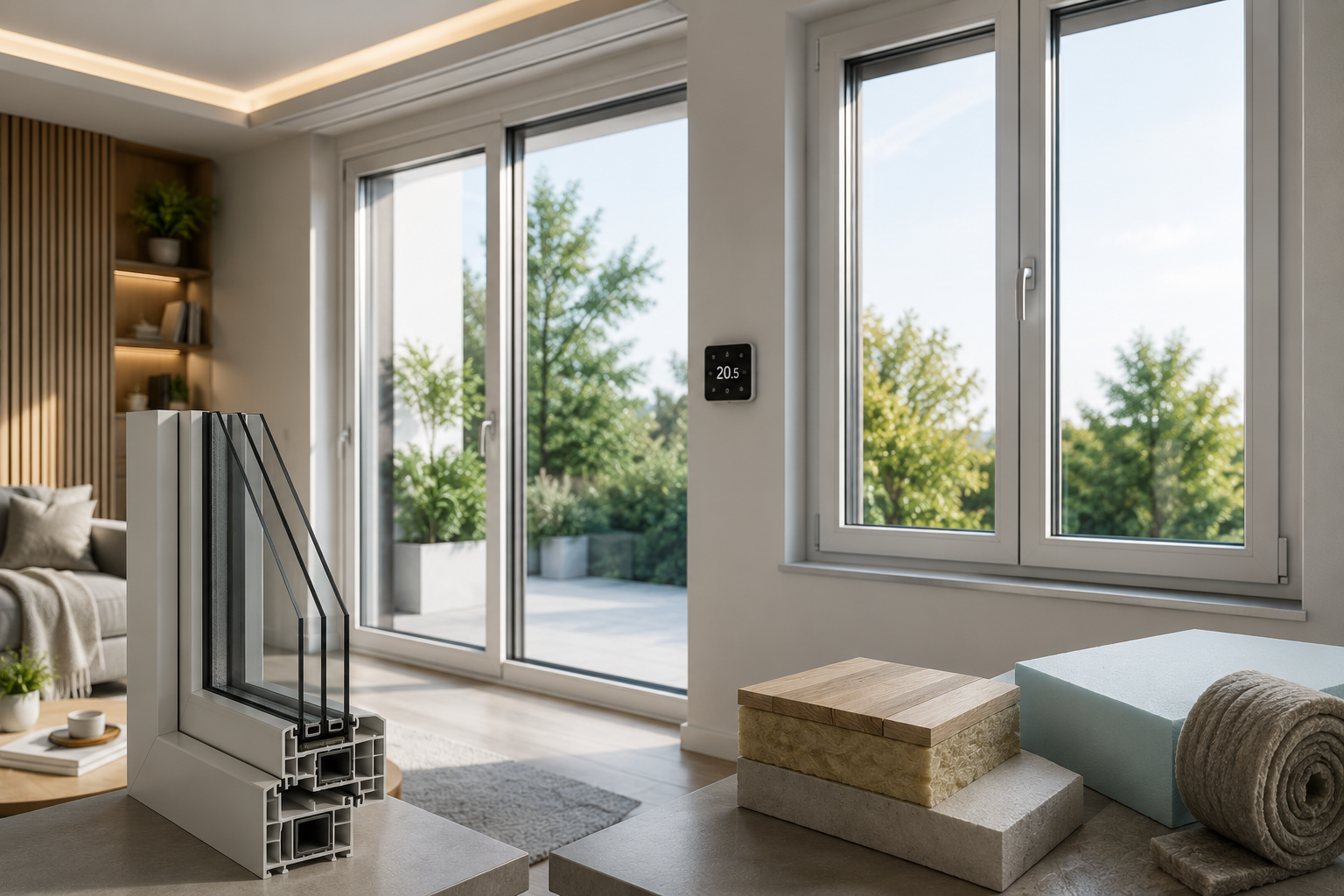
Replacing old windows, improving insulation or choosing high-performance materials can provide several benefits:
- greater comfort;
- reduced heat loss;
- lower energy consumption;
- increased property value.
A renovation is often the ideal opportunity to improve these aspects of the home as well.
Failing to coordinate flooring, doors and coverings
Every element of a home contributes to the final result.
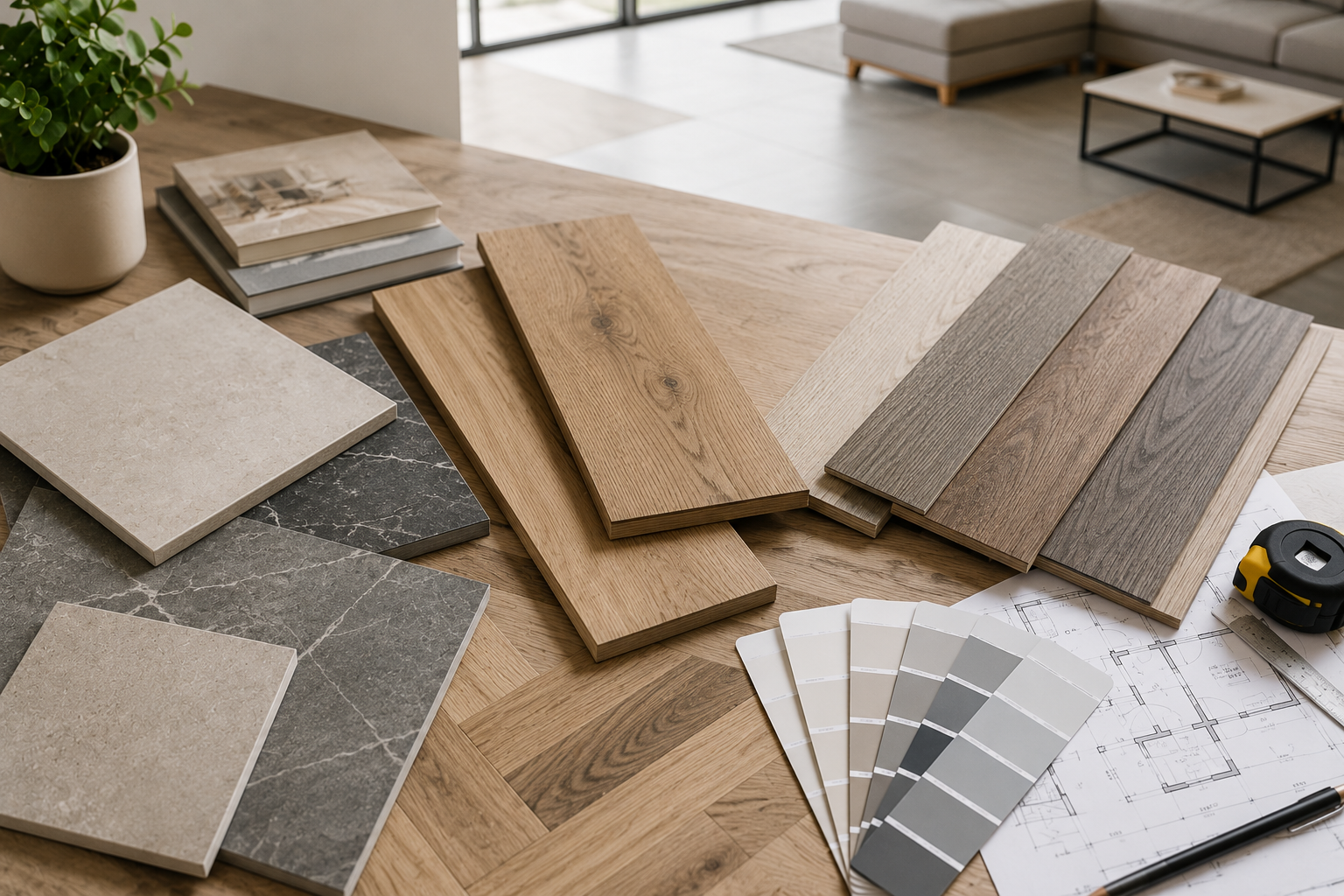
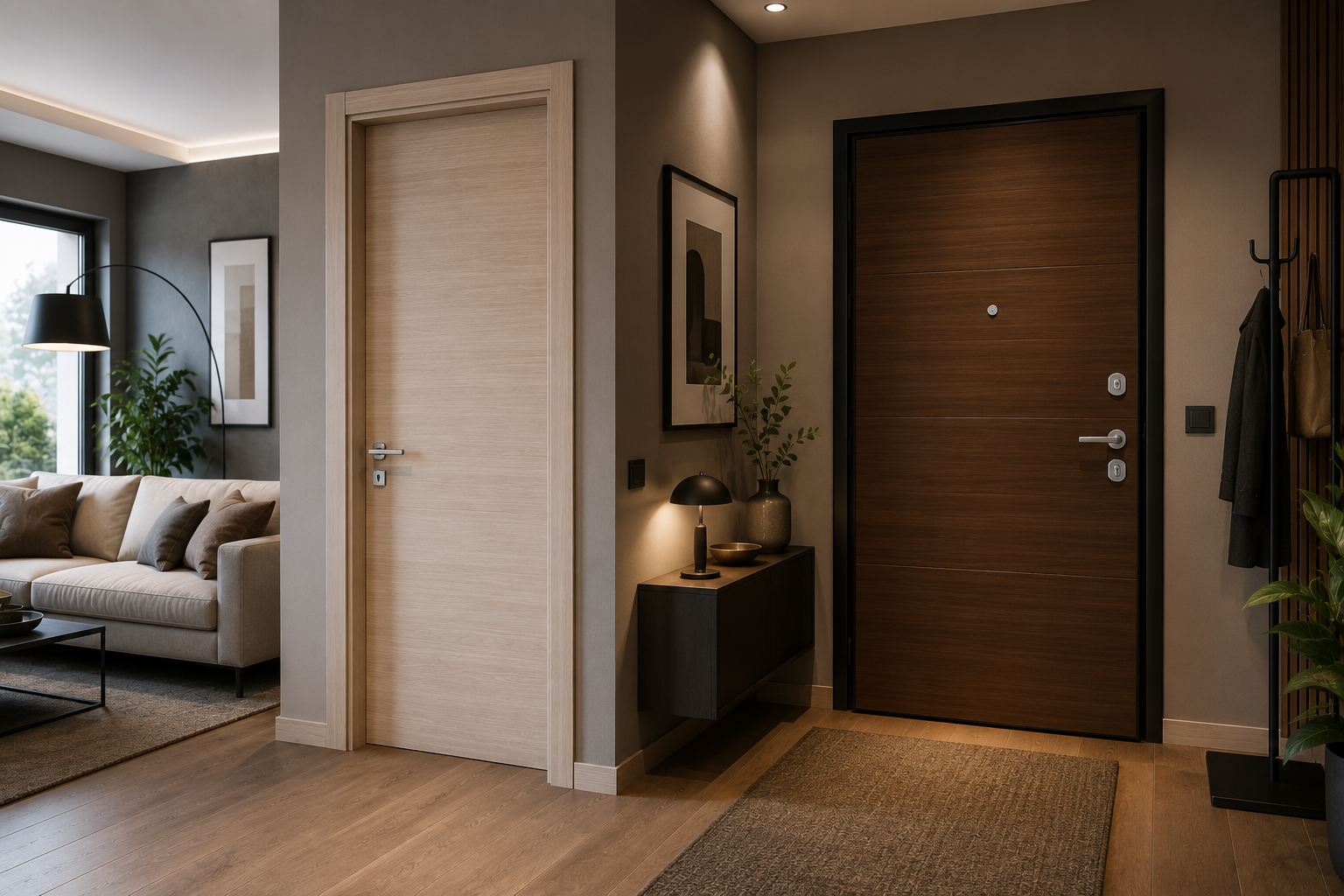
Choosing flooring, doors, wall coverings and bathroom furniture separately can lead to combinations that lack harmony, particularly when relying exclusively on online catalogues.
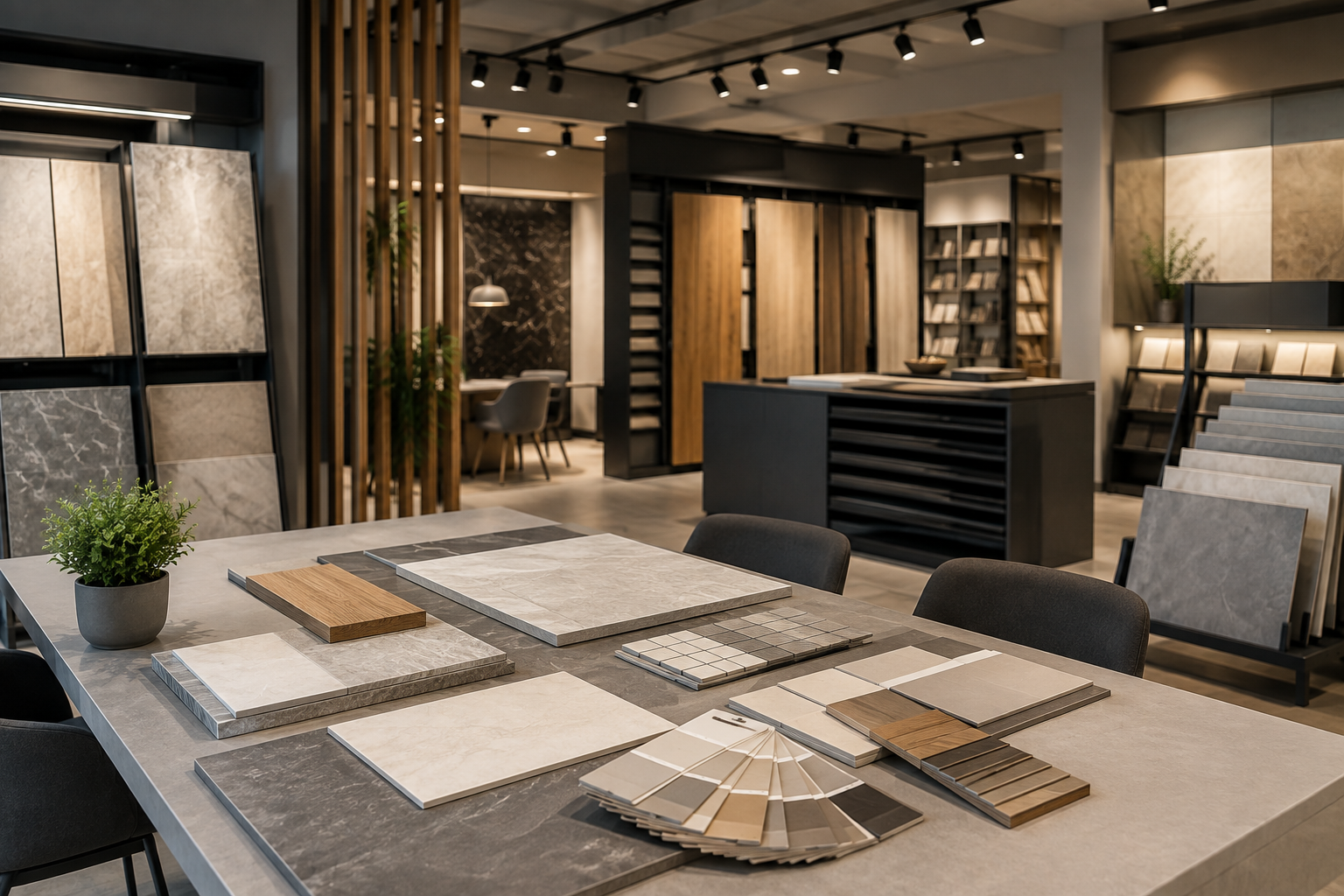
Coordinating materials, colours and finishes from the outset makes it possible to create balanced interiors and enhance the entire project. A showroom can provide valuable support, as it allows you to compare different solutions in person and assess their overall effect.
Underestimating space and functionality
Aesthetics are important, but a home must first and foremost be comfortable and practical to live in.
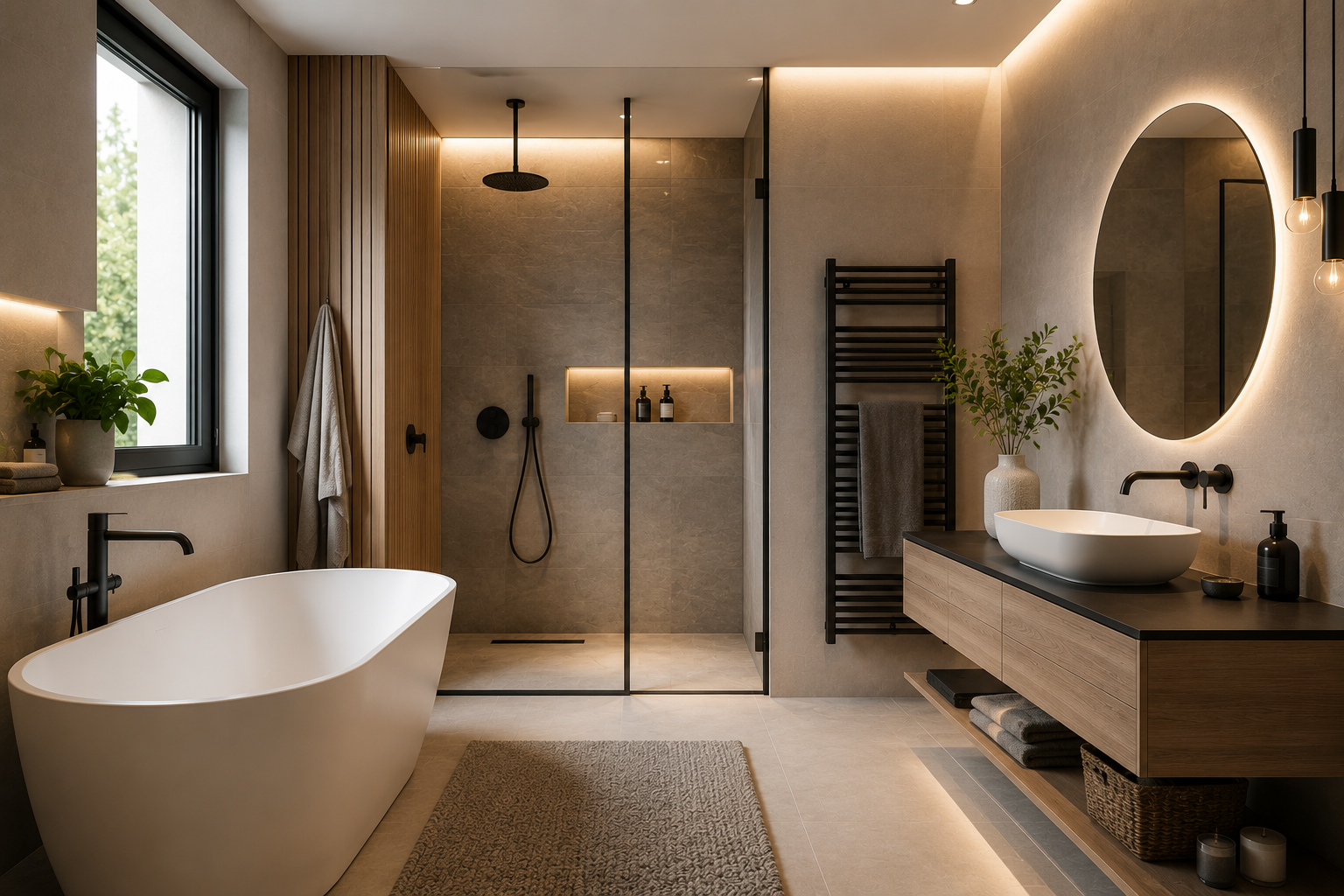
Before choosing furniture, doors or bathroom fixtures, it is essential to carefully assess the available space, movement between rooms and the family's everyday needs. A sliding door may be more practical than a hinged one, a walk-in shower may be more convenient than a bathtub, and wall-mounted furniture can improve both cleaning and the perception of space.
Small design choices can make a significant difference in everyday life.
Changing your mind during the renovation
Any change made once work is already underway inevitably has consequences.
Choosing new materials, relocating utilities or changing the layout of rooms can result in delays and additional costs.
For this reason, it is advisable to make all major decisions before work begins, consulting professionals and carefully considering every detail.
Buying everything online without seeing the materials
The internet offers countless opportunities for comparison and is an excellent tool for gathering information.
However, purchasing flooring, windows or bathroom furniture without ever seeing them in person can lead to unpleasant surprises.
Photographs do not always accurately represent colours, textures or the quality of finishes.
Visiting a showroom allows you to see and touch the materials, compare different options and receive personalised advice based on the characteristics of your home.
Focusing only on aesthetics
Trends change quickly, while a renovation is designed to last for many years.
For this reason, it is preferable to choose materials and finishes that can retain their appeal and value over time, avoiding solutions that are too closely tied to temporary trends.
A successful project always finds the right balance between design, practicality and quality.
Conclusion
A well-planned renovation helps prevent unexpected problems, optimise the budget and achieve a result that will stand the test of time. Carefully planning each room, choosing quality materials and comparing different options in person are essential steps in turning an idea into a truly functional home.
Choosing a specialised showroom means benefiting from comprehensive advice, comparing materials and finishes, and planning every detail with greater confidence, while avoiding many of the most common mistakes that can occur during a renovation.
Entra nella community di Cameroni